Brookshire, TX 77423·46,000 sq ft in stock·Ships 1–15 business days
sarielhu7@gmail.com·+1-346-827-6702
USFlexDuct

Duct Accessories

Complete your duct installation with our range of professional-grade accessories. From connectors and tape to hangers and flexible joints — sourced and quality-tested alongside our ducting.

Complete installation kitCompatible with all duct typesUL listed accessoriesBulk pricing availableSame-source quality assurance

Available Models (4)

Flex Duct Connectors

Flex Duct Connectors

Galvanized steel flex duct connectors (monkey buckle / draw band) for joining flexible ducts to rigid fittings. Quick-install design with worm-gear clamp mechanism.
MaterialGalvanized steel
TypeWorm-gear clamp / Draw band
Diameter Range4" – 20" (100mm – 500mm)
Aluminum Foil Tape

Aluminum Foil Tape

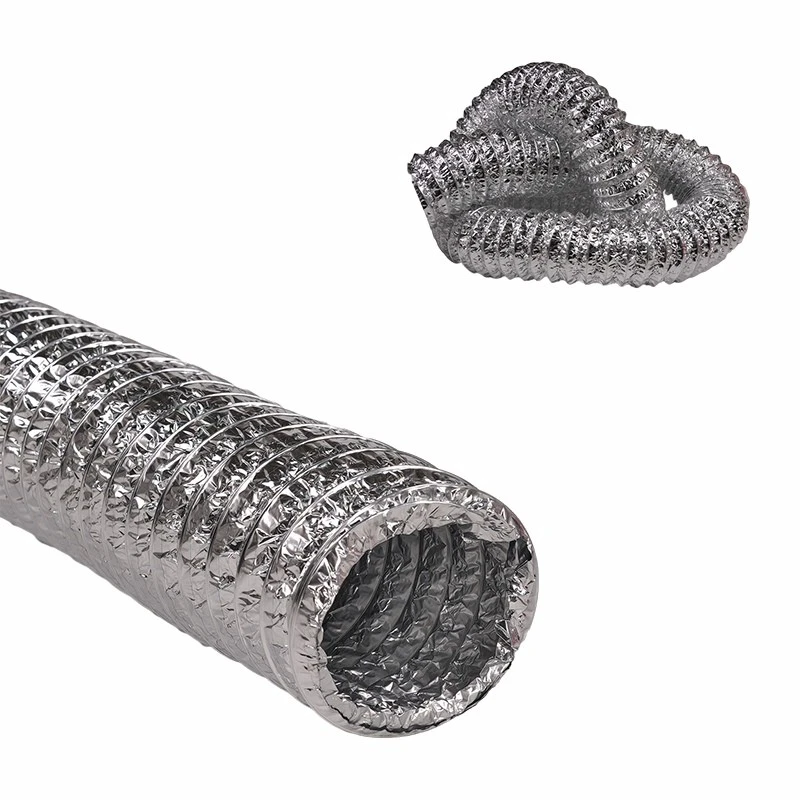
Professional-grade aluminum foil tape for sealing duct joints and seams. Pressure-sensitive acrylic adhesive provides permanent, airtight seal. UL 181A-P and UL 181B-FX listed.
MaterialAluminum foil
AdhesiveAcrylic pressure-sensitive
Width2" / 3" (50mm / 75mm)
Flexible Connectors

Flexible Connectors

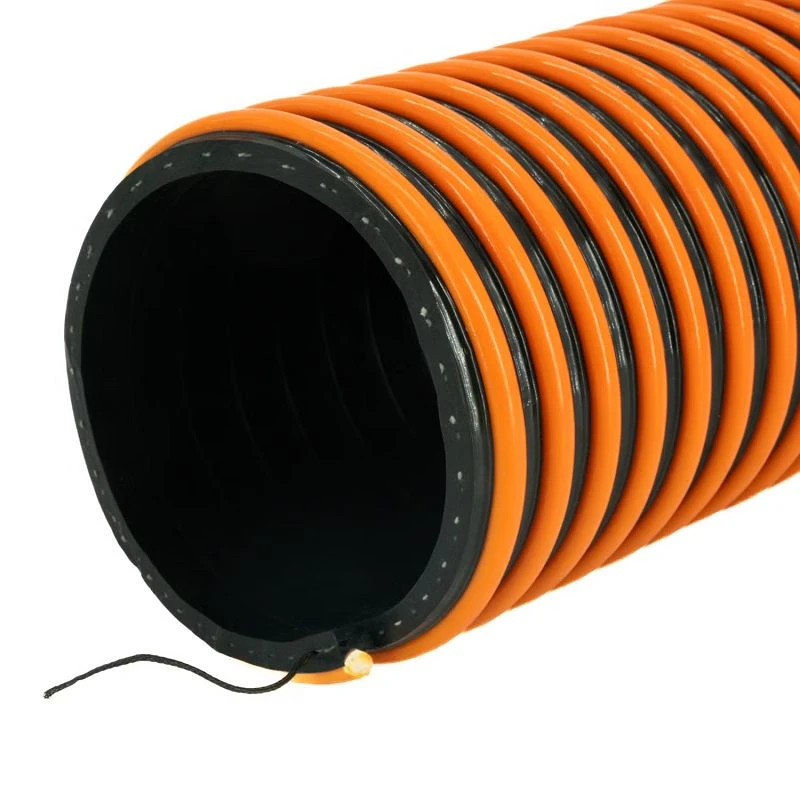
Vibration-isolating flexible duct connectors for connecting HVAC units to rigid ductwork. Absorbs vibration and noise from air handling equipment. Fire-rated fabric construction.
MaterialFire-rated flexible fabric
Width4" – 6" (100mm – 150mm)
ConnectionFlanged or slip-on
Duct Hangers & Straps

Duct Hangers & Straps

Galvanized steel and nylon duct hanging straps for suspending flexible ductwork from joists and rafters. Prevents sagging and maintains proper duct pitch for optimal airflow.

MaterialGalvanized steel / Nylon strap
Width1" (25mm)
Compatible Duct Sizes4" – 20"
In Stock — Ships 1–15 Days
UL 181 Class 1 Standard
30 Years in HVAC Duct
Houston, TX — 46,000 sq ft
FTL / LTL Freight Available

Request a quick quote

Fill in your requirements. We respond within 24 hours on business days.

Response within 24h · sarielhu7@gmail.com

Frequently Asked Questions

Do I need foil tape or mastic to seal duct joints?
For flex duct connections, UL-listed aluminum foil tape is the standard — it creates an airtight seal and is fast to apply. Our aluminum foil tape is UL 181A-P and UL 181B-FX listed, rated from -30°C to +150°C. Mastic (a brush-on sealant) is better for rigid duct seams and irregular joints because it fills gaps. Many HVAC professionals use both — mastic on the joint plus foil tape over the top for belt-and-suspenders sealing. Never use standard cloth "duct tape" on HVAC ducts, as it fails within months. See our duct sealing guide for best practices.
How often should I support flex duct with hangers?
Per IRC/IMC code, flex duct must be supported every 5 feet maximum, with no more than ½" sag per foot between supports. Our duct hangers and straps are 1" wide (code minimum) to prevent pinching the duct. At connection points, support the duct within 12 inches of the fitting. Sagging duct creates turbulence and can reduce airflow by 15–30%. Always pull flex duct taut before securing it. For horizontal runs in attics, use saddle-type hangers rather than wire, and never let the duct rest directly on ceiling joists. More installation tips in our flex duct installation guide.
What size duct connector do I need for my flex duct?
Duct connectors must match the inner diameter of your flex duct. Our flex duct connectors are available from 4" to 20" and use a worm-gear clamp (draw band) mechanism for a secure, airtight fit. Slide the flex duct core over the connector collar, secure with the clamp, then seal with foil tape. Make sure to pull back the outer jacket and insulation (if any) before connecting, then tape everything down over the joint. For a step-by-step walkthrough, see our duct connector guide.
What is a flexible connector used for in HVAC?
Flexible connectors (also called flex joints or vibration isolators) are short sections of fire-rated fabric that connect an air handling unit or furnace to the rigid ductwork. Their primary purpose is vibration isolation — they prevent motor and fan vibration from transmitting through the duct system, which reduces noise and prevents fatigue cracks in rigid duct seams. Our flexible connectors feature fire-rated fabric construction and are available in flanged or slip-on configurations. They are required by most mechanical codes at every equipment connection. See our duct fittings guide for installation details.
Can I use the same accessories for insulated and non-insulated flex duct?
Yes — our duct connectors, foil tape, and hangers work with both insulated and non-insulated flex duct. The key difference is installation technique: with insulated duct, you must pull back the outer vapor barrier jacket and insulation layer, connect the inner core to the connector, seal with foil tape, then fold the insulation and jacket back over the joint and tape again. This double-seal method prevents both air leaks and thermal bridging. Use the same 5-foot hanger spacing for insulated duct, but use wider strap supports to avoid compressing the insulation. Our duct insulation guide covers the full installation process.
WhatsAppGet a Quote